
As our dogs and cats grow older, we start to notice the little changes that come with age. Their muzzles may turn grey, their walks may become more leisurely, and their favourite pastime might be a comfortable nap in a sunny spot.
But some changes shouldn’t be dismissed as part of getting older. Persistent bad breath, red or bleeding gums, difficulty chewing and damaged teeth can all be signs of dental disease. Because pets often hide discomfort, they may continue eating and behaving normally even when their mouths are sore.
At Summer Hill Village Vet, we believe senior pets deserve to feel comfortable at every stage of life. Dental disease isn’t something your pet simply has to live with because they’re getting older. With the right assessment and treatment plan, many older dogs and cats can benefit from improved oral health and a better quality of life.
Why is Dental Care Important for Senior Pets?
Dental disease is common in dogs and cats, and the risk of oral health problems can increase as pets age. Plaque builds up on the teeth, eventually hardening into tartar. This can contribute to inflammation of the gums and periodontal disease, which damages the tissues supporting the teeth.
According to the American Animal Hospital Association’s Senior Care Guidelines, dental health is an important consideration in caring for older pets. Untreated dental disease can lead to persistent pain, infection, loose teeth and tooth loss. Some problems also develop beneath the gumline, where they aren’t easy to spot at home.
Signs of Dental Disease in Older Dogs and Cats
Your pet doesn’t need to stop eating before dental problems deserve attention. Look out for:
- Persistent or worsening bad breath: Noticeably unpleasant breath can be a sign of dental disease.
- Red, swollen or bleeding gums: These may indicate inflammation.
- Yellow or brown tartar on the teeth: Deposits can build up over time and contribute to gum disease.
- Drooling more than usual: Excessive drooling can be associated with oral discomfort.
- Changes in chewing: Your pet might chew more slowly, favour one side of their mouth or drop food.
- Reluctance to eat hard food or chew favourite treats: They may avoid activities that put pressure on sore teeth.
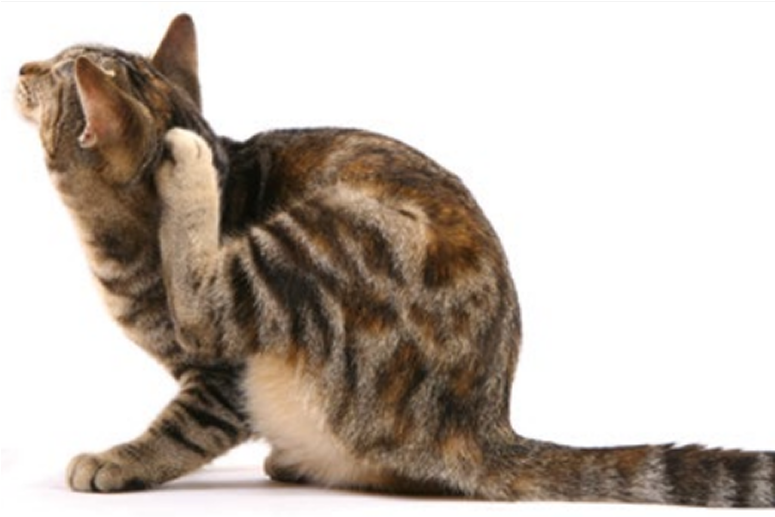
- Pawing at the mouth or rubbing their face: This can indicate irritation or pain.
- Changes in behaviour: Some pets become quieter, irritable or less interested in being touched around the head.
These signs don’t always mean dental disease is the cause, but they’re worth discussing with your veterinarian.
Cats can be particularly subtle when they’re uncomfortable. For more information about the signs they may be hiding, read our guide to cat dental care and hidden dental pain.
Read More: Dental Care for Dogs and Cats: How to Keep Your Pet’s Teeth Healthy
Is Anaesthesia Safe For an Older Pet?
This is one of the most common concerns owners have when their senior dog or cat needs dental treatment. It’s understandable to feel worried about general anaesthesia, especially when your pet has been part of your family for many years.
The important thing to know is that age alone does not automatically rule out dental treatment under general anaesthesia. However, older pets may have underlying health conditions or age-related changes that affect their anaesthetic risk.
The American Animal Hospital Association’s guidance on anaesthesia and surgery in senior pets emphasises the importance of evaluating each pet’s individual health and risks before a procedure. Your veterinarian can use this assessment to plan appropriate care and discuss the expected benefits alongside any potential risks.
How We Prepare Senior Pets for Dental Procedures
At Summer Hill Village Vet, we take the health and comfort of our older patients seriously. Our approach includes a thorough pre-anaesthetic assessment and blood testing before a senior pet’s planned dental procedure.
Depending on your pet’s examination and medical history, further investigations may also be recommended. For example, if we identify a heart murmur or another concern, we may arrange additional assessment, including consultation with a visiting cardiologist where appropriate. Specialist anaesthetic support may also be considered for patients who need it.
Pre-anaesthetic tests can help identify certain underlying conditions and guide treatment decisions. They cannot eliminate every risk, but they provide useful information for planning your pet’s care.
During the procedure, your veterinary team will select an appropriate anaesthetic protocol and monitor your pet closely. Pain relief and recovery care are also important parts of the process.
What if My Pet Needs Extensive Dental Treatment?
Some senior pets have several affected teeth or more advanced periodontal disease. In these cases, your vet may recommend staging treatment across more than one procedure when clinically appropriate.
Staging can help manage the length and complexity of a procedure, but it isn’t necessary or suitable for every pet. The recommendation will depend on your pet’s condition, the dental findings and the overall risks and benefits.
Our aim is to recommend a plan that addresses your pet’s dental problems while taking their broader health and comfort into account.
Can Dental Disease Affect a Senior Pet’s Overall Health?
Dental disease doesn’t only affect the teeth. Periodontal disease causes chronic inflammation in the tissues surrounding the teeth, and research has identified associations between oral disease and wider health concerns.
However, it’s important not to assume that dental disease directly causes every illness affecting an older pet. Conditions involving the heart, kidneys and other organs can have multiple causes, and the relationship between oral health and systemic disease is complex.
The American Veterinary Medical Association’s pet dental care guidance explains why maintaining oral health is an important part of overall pet care.
Untreated dental disease can cause pain, infection and difficulty eating, all of which can affect an older pet’s comfort and quality of life.
Good dental care is therefore an important part of looking after your pet as a whole. Helping them eat comfortably, managing oral pain and addressing infection can make a meaningful difference to their wellbeing.
What Happens During a Professional Dental Procedure?
If your vet recommends a dental procedure, they’ll explain what is involved and why it’s needed.
A comprehensive veterinary dental procedure generally includes:
1. An examination under general anaesthesia
This allows the veterinary team to examine the mouth thoroughly and assess areas that may be difficult to inspect in an awake pet.
2. Dental X-rays where indicated
Imaging can reveal problems involving tooth roots and the surrounding bone that aren’t visible during a routine examination.
3. Removal of plaque and tartar
Teeth are cleaned above and below the gumline, where bacteria and deposits can contribute to periodontal disease.
4. Treatment of affected teeth
Depending on the findings, treatment may include removing severely damaged or diseased teeth.
5. A recovery and home-care plan
Your vet will explain any medication, feeding adjustments, aftercare and follow-up appointments your pet needs.
The Australian Veterinary Association’s guidelines for dental treatment in dogs and cats provide further information about appropriate veterinary dental care.
General anaesthesia is necessary for a complete dental assessment and treatment. Simply removing visible tartar while a pet is awake doesn’t allow the veterinary team to examine or clean thoroughly beneath the gumline.
The exact procedure will depend on your pet’s dental health and any other medical considerations.
How Can You Care for Your Senior Pet’s Teeth at Home?
Professional dental treatment is only one part of maintaining oral health. Once your pet’s mouth has been assessed and any necessary treatment completed, home care can help reduce plaque build-up and support ongoing dental health.
1. Brush regularly
Daily brushing with a soft pet toothbrush and pet-safe toothpaste is the most effective way to remove plaque. If your pet has painful or inflamed gums, ask your vet when it’s appropriate to begin.
2. Choose suitable dental products
Some dental diets and chews can help reduce plaque or tartar. Ask your veterinarian which products are appropriate for your pet’s age and health.
3. Watch for changes
Pay attention to bad breath, chewing habits, appetite and behaviour. Small changes can be useful early warning signs.
4. Keep up with veterinary check-ups
Your vet can monitor your pet’s oral health and recommend how often dental assessments are needed.
Read More: How Much Does a Dog or Cat Dental Cost in Sydney (and Why Prices Vary)
Senior Pet Dental Care at Summer Hill Village Vet
It’s natural to worry about putting an older pet through a procedure. You want to do what’s best for them, and that means weighing up the potential benefits of treatment against their individual health needs.
At Summer Hill Village Vet, we understand those concerns. We’ll assess your pet carefully, explain our recommendations and talk through the available options without pressure. If further testing or specialist support is appropriate, we’ll discuss that with you too.
Your pet’s age is only one part of the picture. Their comfort, overall health and quality of life matter just as much.
If your older dog or cat hasn’t had a dental check recently, or you’ve noticed changes in their breath, gums or eating habits, we’d be happy to help.
Call Summer Hill Village Vet on (02) 9797 2555 or book an appointment online. Let’s work together to help your pet enjoy their senior years as comfortably as possible in our Sydney vet clinic!