
Halloween is a great opportunity to get creative, dress up and enjoy some festive fun with the family. From spooky decorations and trick-or-treaters at the door to bowls of chocolate and lollies, there’s plenty to get excited about.
But while we might love the extra activity, our pets don’t always see it the same way. Unfamiliar costumes, repeated doorbells and tempting treats can create unexpected risks for curious dogs and cats.
The good news is that you don’t have to leave your pets out of the fun. With a little preparation, you can enjoy Halloween while helping your four-legged family members stay safe, comfortable and happy.
Here are some simple ways to make Halloween more pet-friendly.
Are Halloween Treeats Dangerous for Dogs and Cats?
Halloween treats might be a highlight for the family, but they can pose serious health risks to pets. Chocolate, lollies and other human treats aren’t suitable for our four-legged friends, even if they’re looking at you with their most convincing puppy-dog eyes.
According to the RSPCA’s veterinary advice on chocolate toxicity, chocolate contains theobromine, a substance that can be toxic to dogs and other animals.
The risk depends on the type and amount of chocolate eaten, as well as your pet’s size. Dark chocolate and baking chocolate are particularly concerning because they contain higher concentrations of theobromine.
Sugar-free sweets can be dangerous, too. Some contain xylitol, an artificial sweetener that can cause severe poisoning in dogs.
Lolly wrappers, plastic packaging and small treats may also cause choking or intestinal blockages if swallowed.
To keep your pets safe:
1. Keep treats out of reach
Store chocolate, lollies and treat bags in closed cupboards or secure containers where curious noses and paws can’t reach them.
Avoid leaving treats on coffee tables, kitchen benches or near the front door, especially when you’re busy greeting trick-or-treaters.
Remember that even a moment of distraction can give a determined dog or cat the opportunity to sneak a snack.
2. Remind children not to share
Children may be tempted to share their Halloween treats with the family pet, particularly when their furry friend is eagerly waiting nearby.
Explain that chocolate, lollies and other human treats can make dogs and cats seriously ill, even when they’re offered with good intentions.
You can also encourage children to keep their treats to themselves and ask an adult before giving their pet any food outside their usual diet.
3. Dispose of wrappers properly
Empty lolly wrappers, chocolate packaging and plastic treat bags can be just as tempting to curious pets as the treats themselves.
If swallowed, these materials may cause choking or intestinal blockages that require veterinary attention.
Keep a rubbish bin nearby during Halloween celebrations, and make sure it’s secure enough to prevent pets from rummaging through discarded packaging.
4. Offer pet-friendly alternatives
Your pet doesn’t have to miss out on a special Halloween treat. Set aside a few treats made specifically for dogs or cats, choosing options that suit their size, dietary needs and any existing health concerns.
You could also turn treat time into an enrichment activity by hiding a few treats around the house for your dog to sniff out or offering your cat a suitable food puzzle. Just remember to keep portions moderate so the extra treats don’t upset their usual diet.
You can make treat time more exciting by hiding a few suitable treats around the house for your dog to sniff out or offering your cat a food puzzle.
Most importantly, just make sure any treats are appropriate for your pet’s diet.
Read More: Cat Holiday Hazards
What If Your Pet Eats Chocolate or Something Potentially Toxic?
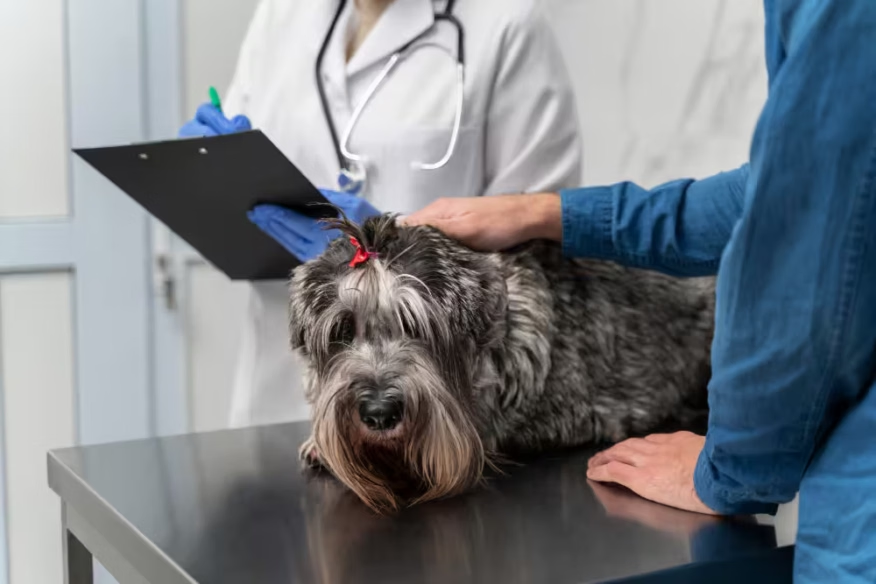
If you suspect your pet has eaten chocolate, lollies or another potentially toxic substance, don’t wait for symptoms to appear. Some toxins can cause serious health problems before you notice anything unusual, so getting veterinary advice promptly is essential.
Contact us at Summer Hill Village Vets as soon as possible for guidance on what to do next. If you know what your pet has eaten, keep the packaging handy so our team can check the ingredients and help assess the potential risk.
Be ready to tell us how much your pet may have eaten and when it happened.
Before taking your pet to a veterinary professional, don’t try to induce vomiting or give your pet any home remedies unless a vet specifically instructs you to do so. These measures can sometimes make the situation worse, depending on the substance involved.
If your pet needs urgent attention outside our opening hours, contact a 24-hour emergency veterinary hospital, such as SASH Alexandria or Medipaws in Leichhardt. Call ahead to confirm availability and follow the veterinary team’s instructions.
At Summer Hill Village Vets, your pet’s health and wellbeing are our priority.
If you’re concerned that your dog or cat has eaten something they shouldn’t have, please get in touch promptly so we can help you work out the safest next step.
Can Halloween Decorations Frighten Pets?
Yes, absolutely. What looks fun and festive to us can be confusing or frightening for an animal that doesn’t understand what’s happening.
Flashing lights, moving decorations, spooky sound effects and unfamiliar people can all unsettle pets. Even a normally confident dog or cat might feel anxious when the house becomes busier than usual.
The RSPCA NSW’s Halloween safety advice highlights how unfamiliar visitors, costumes and decorations can cause stress for companion animals.
That’s why it is important to pay attention to your pet’s behaviour.
Signs of stress can include hiding, trembling, panting, pacing, excessive barking or meowing, repeatedly licking their lips or trying to escape. Some pets may become unusually quiet or withdrawn rather than visibly frightened.
If your pet seems uncomfortable, give them a break from the activity rather than encouraging them to interact with visitors.
A fun alternative you can go with for a pet-friendly halloween activity is creating a cosy Halloween hideaway.
Set up a quiet room away from the front door, with your pet’s favourite bed, familiar toys, fresh water and a few suitable treats.
You could also offer a food puzzle or another familiar enrichment activity to help them settle.
Keep the room at a comfortable temperature and consider playing gentle background music if it helps mask the sound of doorbells and visitors.
Your pet can enjoy a peaceful evening while the rest of the family celebrates. They don’t need to greet every trick-or-treater to be part of the fun.
How Can I Stop My Pet from Escaping on Halloween?
One of the easiest Halloween hazards to overlook is the front door. With visitors arriving throughout the evening, the door may be opened far more often than usual, creating plenty of opportunities for a curious or startled pet to slip outside.
Even pets that are normally well behaved can bolt when they’re excited, frightened or distracted. A sudden escape can put them at risk of traffic, getting lost or encountering unfamiliar animals.
A little preparation can help prevent an unnecessary scare.
1. Keep pets away from the entrance
Set them up in a secure room behind a closed door before trick-or-treaters start arriving.
2. Use a suitable barrier if needed
A secure pet gate or playpen may help manage access, provided your pet cannot jump over, climb or push through it.
3. Check identification details
Make sure your pet’s microchip registration and contact information are current, and that their collar and identification tag are secure.
4. Be careful when guests arrive
Let visitors know that your pet is being kept separate and ask them not to open the designated room’s door unnecessarily.
If you’re taking your dog out while Halloween activities are underway, keep them securely on a lead and be mindful that costumes, excited children and unfamiliar noises may make the outing more stressful than usual.
For many pets, staying safely indoors is the simplest and most comfortable option.
Read More: Allergies
Should I Dress My Pet in a Halloween Costume?
We know how tempting it can be to dress your dog or cat as a little witch, vampire or pumpkin.
Those Halloween photos can be adorable, but your pet’s comfort should always come first.
According to the RSPCA’s guidance on pet costumes, some animals tolerate simple clothing, while others find it uncomfortable or stressful. Costumes can also restrict movement, interfere with communication through body language or cause overheating.
Cats generally shouldn’t be dressed in costumes, as most find the experience unpleasant.
If your dog is comfortable wearing a simple outfit, choose one that allows unrestricted movement, breathing, hearing and vision.
Avoid anything tight, heavy or fitted with dangling pieces that could be chewed off and swallowed. Always supervise your pet and keep costume-wearing brief.
Watch for signs of discomfort, including freezing in place, trying to wriggle free, repeatedly scratching at the outfit, panting or appearing unusually distressed. Remove the costume immediately if you notice any of these behaviours.
Or even better, you can keep the costume simple for comfort.
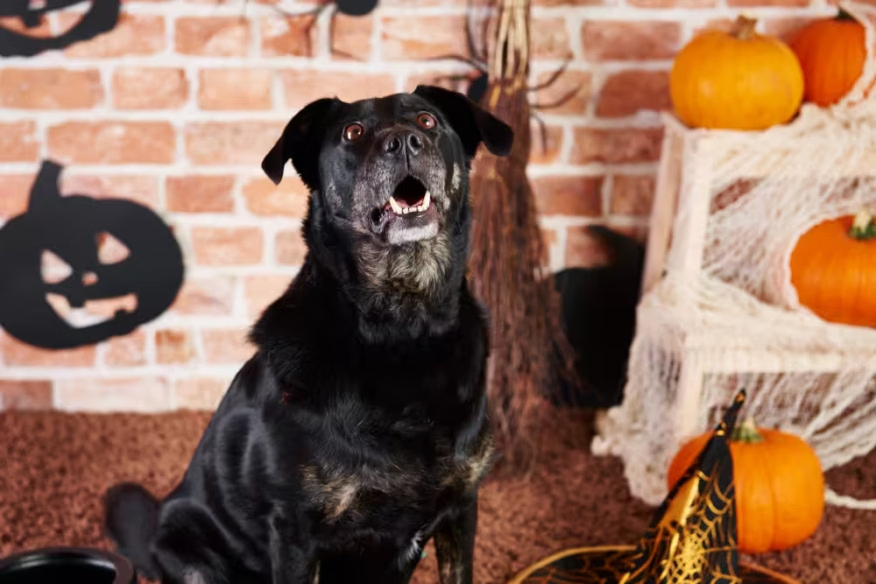
A lightweight festive bandana or comfortable collar accessory may be a better option for a dog that enjoys wearing one. You could also set up a Halloween-themed photo backdrop and let your pet pose beside the decorations instead.
Remember, your pet doesn’t need a costume to look cute. A relaxed, happy animal makes for a much better photo than one that’s uncomfortable!
Are Halloween Candles and Fake Spiderwebs Safe for Pets?
Halloween decorations can make your home look wonderfully spooky, but some popular choices come with risks for both pets and native wildlife.
Traditional candles inside carved pumpkins can be knocked over by curious noses or wagging tails, creating a burn or fire hazard. Battery-operated candles are a safer alternative, particularly in areas where pets can reach the decorations. Keep electrical cords secured and out of reach, too.
Small ornaments, plastic decorations, ribbons, glow sticks and dangling accessories can also attract curious pets. If chewed or swallowed, some items may cause choking, poisoning or an intestinal blockage.
Fake spiderwebs deserve special attention, particularly when used outdoors. As the RSPCA explains in its Halloween safety advice, artificial spiderwebs and loose fibres can entangle native animals, including birds and flying foxes. These decorations can also become hazards if pets chew or swallow the material.
To make your Halloween display safer:
- Choose sturdy decorations that can be stored and reused.
- Keep small, fragile and chewable items out of your pet’s reach.
- Use battery-operated candles instead of open flames.
- Avoid placing fake spiderwebs or loose netting outdoors.
- Secure cords and remove damaged decorations promptly.
- Pack everything away after Halloween and check the garden for stray pieces.
You can still create an impressive Halloween display without putting your pets or local wildlife at unnecessary risk.
Check out our guide to creating a wildlife-friendly Halloween for more ideas on making spooky decorations using reusable materials, reducing waste and keeping native animals safe.
With a little creativity, you can give your home a Halloween makeover that’s fun for the whole family, including your pets, while being kinder to the wildlife in our neighbourhood.
How Can I Ensure My Pet Enjoy Halloween?
The best way to include your pet in Halloween is to make the experience suit their personality. Some dogs enjoy meeting visitors and exploring new things, while others prefer a quiet evening at home. Cats, in particular, often appreciate familiar surroundings and a predictable routine.
Rather than expecting your pet to participate in every activity, look for simple ways to make the evening enjoyable on their terms.
You could offer a favourite toy, prepare a special pet-friendly treat, organise a short play session before visitors arrive or spend some quiet time together in their favourite spot.
It’s also worth keeping your pet’s usual feeding, exercise and bedtime routine as consistent as possible. Familiar activities can help make an unusual evening feel more manageable.
Most importantly, let your pet choose how much interaction they’re comfortable with. If they want to retreat to their bed or hideaway, give them the space to do so.
A happy Halloween doesn’t have to be an exciting one for every member of the family. Sometimes, the kindest thing you can do is make sure your pet feels safe enough to relax while everyone else enjoys the festivities.
Have a Happy Halloween with Your Pets!
Halloween can be a wonderful time for families, and a few simple precautions can help keep it safe for our four-legged companions, too.
Keep chocolate and lollies out of reach, provide a quiet place to retreat, prevent accidental escapes and choose decorations that won’t cause harm. Most importantly, pay attention to your pet’s individual needs and never force them to join in if they’re feeling uncomfortable.
And remember, your pet doesn’t need a costume or a front-row seat to the trick-or-treating to be part of the family fun.
Need advice about your pet’s Halloween safety?
Whether you’re concerned about anxiety, choosing safe treats or what to do if your pet has swallowed something they shouldn’t have, the team at Summer Hill Village Vets is here to help.
Get in touch with our friendly team if you have questions about your pet’s health and wellbeing. If you suspect poisoning or another veterinary emergency, seek urgent veterinary advice rather than waiting for an appointment.
From all of us at Summer Hill Village Vets, have a safe, happy and spooktacular Halloween!