

As dogs and cats get older, changes in how they move and behave can be easy to overlook. Your dog might take longer to get up after a nap, or your cat might stop jumping onto their favourite windowsill. They may seem less interested in walks, playtime or other activities they once enjoyed.
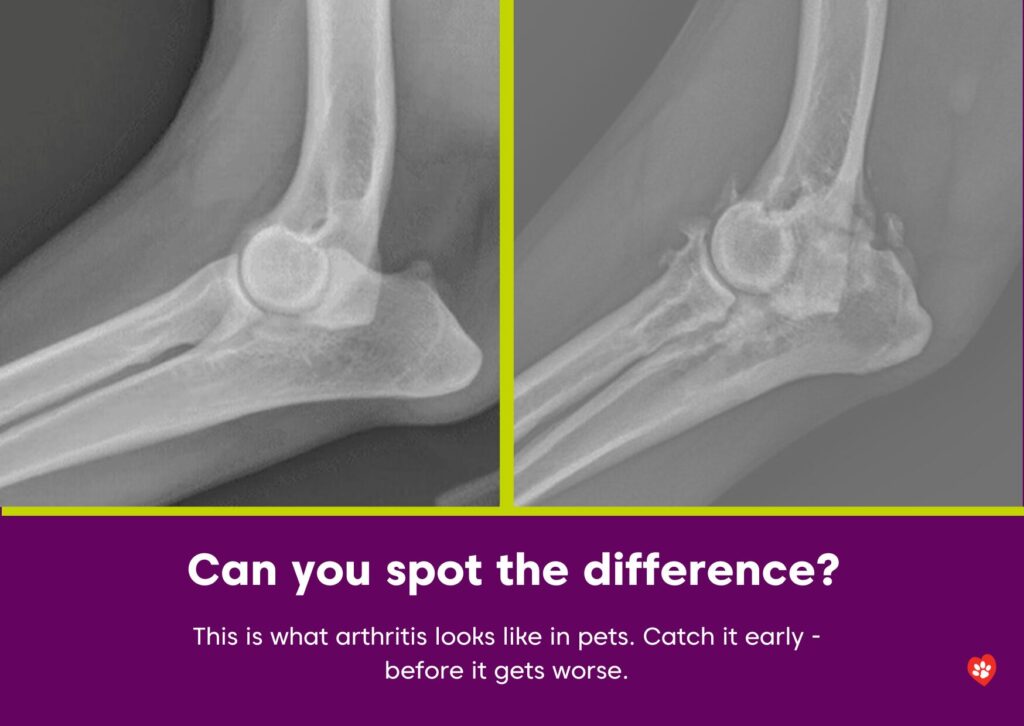
It’s tempting to put these changes down to old age. However, they can also be signs of arthritis in pets, a common condition that causes joint pain, stiffness and reduced mobility.
Osteoarthritis, also known as degenerative joint disease, is particularly common in older dogs and cats. Although it cannot usually be cured, the right management plan can help relieve discomfort, maintain mobility and improve your pet’s quality of life.
At Summer Hill Village Vet, we believe pets should be able to enjoy their senior years as comfortably as possible. Recognising the early signs of arthritis is an important first step.
What Are the Signs of Arthritis in Dogs and Cats?
Arthritis does not always cause an obvious limp. Some pets gradually change their habits to avoid movements that hurt, making the condition difficult to recognise at home. The signs can also differ between dogs and cats.
Signs of arthritis in dogs
Dogs with arthritis may show changes in their movement, energy levels or willingness to participate in everyday activities. Look out for:
- Stiffness after resting: Your dog takes longer to stand up after sleeping or lying down.
- Limping or an altered gait: They favour one leg or walk differently, particularly after exercise.
- Difficulty with stairs or jumping: Getting into the car, climbing stairs or jumping onto furniture becomes harder.
- Reduced interest in walks and play: They tire more quickly, walk more slowly or seem reluctant to exercise.
- Behavioural changes: They may become irritable when touched around painful joints or withdraw from activities they previously enjoyed.
Signs of arthritis in cats
Cats are often very good at hiding pain. Rather than limping, a cat with arthritis may quietly change its daily routine.
Possible signs include:
- Jumping onto lower surfaces instead of favourite high spots.
- Hesitating before jumping or avoiding jumps altogether.
- Sleeping more or becoming less playful.
- Grooming less effectively, particularly around the back and hindquarters.
- Struggling to get into or out of the litter tray.
- Becoming less tolerant of handling or touch.
These changes can develop gradually, so it helps to pay attention to what is normal for your pet. If you notice a difference in their movement or behaviour, do not assume it is simply part of getting older.
Read More: Caring for Your Ageing Pet: It’s Not “Just Old Age”
How Is Arthritis Diagnosed in Pets?
If you suspect your pet has arthritis, a veterinary check-up can help determine what is causing their symptoms. Stiffness and reduced mobility can also be associated with other conditions, so an accurate assessment is important.
At Summer Hill Village Vet, we look at more than just your pet’s joints. We’ll ask about changes you have noticed at home, including their walking, jumping, sleeping, grooming and willingness to exercise. We then assess their movement, joints and overall health.
Depending on the findings, further investigations may be recommended. These can include X-rays or other diagnostic tests to help assess joint changes and rule out alternative causes of pain.
Sometimes, a veterinarian may also recommend a carefully monitored trial of pain relief medication. Your observations at home can help us understand whether your pet’s comfort and mobility improve with treatment.
Treatment Options for Arthritis in Dogs and Cats
Although arthritis is a long-term condition, there are several ways to manage it. The most appropriate approach depends on your pet’s symptoms, general health, affected joints and individual needs.
1. Pain relief and veterinary treatment
Managing pain is central to arthritis care. Your veterinarian may recommend medication or other treatments to reduce inflammation and improve comfort. Some pets may also benefit from newer injectable therapies, including arthritis antibody treatments, where clinically appropriate.
Treatment needs to be tailored to each animal, with monitoring and follow-up appointments to assess how well it is working.
Never give your pet human painkillers unless specifically instructed by your veterinarian. Some medicines that are safe for people can be dangerous or even fatal to dogs and cats.
2. Joint supplements
Certain joint supplements may be recommended as part of a broader arthritis management plan. Products such as Glyde and Antinol are among the options that may be discussed for dogs or cats, depending on the product and your pet’s circumstances.
Supplements are not a replacement for appropriate pain relief, and the evidence supporting individual ingredients and products varies. Speak with your veterinarian before starting a supplement so you can choose an option that suits your pet.
3. Weight management and gentle exercise
Keeping your pet at a healthy weight can reduce the load placed on sore joints. If your pet is carrying extra weight, your veterinarian can help develop a safe weight-management plan.
Regular, controlled exercise can also help maintain muscle strength and mobility. For dogs, this may mean shorter, more frequent walks rather than long or strenuous outings. For cats, gentle play at floor level can encourage movement without requiring difficult jumps.
Avoid suddenly increasing exercise or pushing your pet through activities that appear painful.
4. Making your home more comfortable
Small adjustments around the home can make everyday life easier for a pet with arthritis.
Consider providing:
- Soft, supportive bedding in a warm, comfortable location.
- Non-slip rugs or mats on slippery floors.
- Pet steps or ramps to help dogs access furniture or cars, if appropriate.
- Low-entry litter trays and easily accessible food and water bowls for cats.
- Food, water and resting areas that do not require climbing stairs.
These changes may seem minor, but they can help your pet move around with greater confidence and less discomfort.
5. Advanced treatment options
Some pets may need additional treatment if their arthritis is severe or does not respond adequately to conservative management. Depending on the affected joint and the individual case, your veterinarian may discuss specialist referral, joint injections or surgical options such as joint replacement.
These treatments are not suitable for every pet, but a referral can help determine whether a more specialised approach could improve their comfort and mobility.
Can Arthritis in Pets Be Prevented?
Not all cases of arthritis can be prevented, particularly when age, genetics, previous injuries or joint abnormalities play a role. However, looking after your pet’s joint health throughout their life can help reduce some risk factors and support mobility as they get older.
Maintaining a healthy weight, providing appropriate exercise, addressing injuries early and arranging regular veterinary check-ups are all worthwhile steps. For senior pets, routine health assessments can also help identify changes before they have a major impact on daily life.
Read More: The Five Secrets to a Longer Life for Your Elderly Cat
Helping Your Pet Enjoy Their Senior Years with Summer Hill Village Vet
Arthritis is common in older dogs and cats, but ongoing pain and reduced mobility should not be dismissed as an inevitable part of ageing. With the right support, many pets can remain active, comfortable and engaged in the things they enjoy.
If you have noticed your pet moving more slowly, avoiding jumps, struggling with stairs or behaving differently, a veterinary assessment is a good place to start. You do not need to wait until the signs become severe before seeking help.
At Summer Hill Village Vet, we can assess your pet’s mobility, investigate possible causes of discomfort and recommend a management plan tailored to their needs. Our goal is to help your companion feel as comfortable as possible throughout their senior years.
Book a comprehensive check-up at Summer Hill Village Vet to discuss your pet’s mobility and find out how we can help them enjoy a better quality of life.