
Healthy ears are usually clean, pale pink and free from strong odours, with only a small amount of wax. Checking your pet’s ears regularly can help you spot early signs of irritation or infection before they become more uncomfortable.
Dogs and cats can both develop ear problems, including infections, parasites and inflammation caused by allergies. Some conditions are straightforward to treat, while others can affect hearing or balance if left untreated.
Here’s what to look for, what may be causing the problem and how to care for your pet’s ears safely.
What Are the Signs of Ear Problems in Pets?
Changes in your pet’s ears can be an early indication that something is wrong. Watch for these common symptoms:
- Unpleasant odour: A strong or unusual smell coming from the ears.
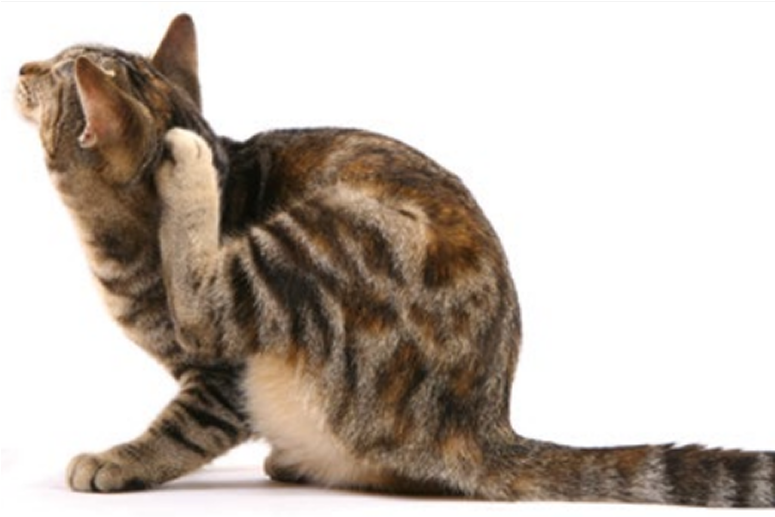
- Frequent scratching: Repeatedly scratching the ears or rubbing the head against furniture or the floor.
- Head shaking or tilting: Shaking the head repeatedly or holding it at an unusual angle.
- Redness or swelling: Inflammation affecting the ear flap or the ear canal.
- Unusual discharge: Black, brown, yellow or pus-like material inside the ear.
- Pain or sensitivity: Pulling away, crying or reacting when the ears are touched.
- Excessive wax: A noticeable increase in wax or dark, crumbly debris.
- Changes in behaviour: Becoming unusually withdrawn, irritable or less active.
- Hearing changes: Failing to respond to familiar sounds or appearing disoriented.
- Balance problems: Stumbling, walking in circles or showing a loss of coordination.
According to the MSD Veterinary Manual’s guide to ear infections in dogs, head shaking, itching, redness, discharge and unpleasant odours are common signs of inflammation in the outer ear canal.
Seek urgent veterinary care if your pet develops a sudden head tilt, loses their balance, has severe ear pain or becomes disoriented. These signs can indicate a more serious problem involving the middle or inner ear.
What Causes Ear Problems in Dogs and Cats?
Several factors can contribute to ear disease. Some pets are naturally more prone to problems because of the shape of their ears, while others develop recurring symptoms due to allergies, parasites or underlying skin conditions.
1. Ear infections (otitis externa and otitis media)
Otitis externa is inflammation of the outer ear canal. Otitis media affects the middle ear and can sometimes develop when an outer ear infection spreads deeper.
Bacteria and yeast commonly contribute to ear infections, but they are not always the original cause. Allergies, parasites, excess moisture, foreign objects and changes in the ear canal can also play a role.
Pets with floppy ears, narrow ear canals, hairy ears or underlying allergies may be more susceptible to recurring problems.
Signs of an ear infection may include redness, itching, discharge, unpleasant odours and pain when the ear is handled. In more severe cases, inflammation can extend deeper into the ear and affect hearing or balance.
Treatment depends on the cause. Your veterinarian may examine the ear canal, take a sample of the discharge and check for bacteria, yeast or parasites before recommending appropriate medication.
As the MSD Veterinary Manual explains in its overview of otitis externa, identifying the underlying cause is important because ear problems can return if the factors driving the inflammation are not addressed.
2. Ear mites
Ear mites are tiny parasites that can cause significant itching and irritation. They are particularly common in cats, although dogs can also be affected.
Signs may include:
- Persistent scratching around the ears
- Frequent head shaking
- Dark, crumbly discharge that resembles coffee grounds
- Redness and irritation around the ears
Ear mites can spread between animals through close contact. If you suspect mites, arrange a veterinary examination so the cause can be confirmed and the correct treatment provided. Other ear conditions can produce similar-looking discharge, so appearance alone is not enough to make a diagnosis.
Your veterinarian may also advise whether other pets in the household need to be checked or treated.
3. Aural haematoma (swollen ear flap)
An aural haematoma occurs when blood collects between the tissues of the ear flap, causing it to swell. The ear may feel soft, thick or fluid-filled and can become noticeably enlarged.
This often happens after repeated head shaking or scratching, which can damage small blood vessels in the ear. An underlying infection, mites or allergies may trigger the behaviour.
A swollen ear flap should be examined by a veterinarian. Treatment may be needed to address the swelling and the underlying cause, helping reduce discomfort and the risk of lasting changes to the ear’s shape.
4. Hearing loss and deafness
Hearing loss in pets can develop with age, occur because of an inherited condition or result from trauma, certain medications or ear disease.
Some causes of reduced hearing may be treatable, particularly when they involve a problem such as a blockage or infection. Other forms of hearing loss may be permanent.
If your pet seems less responsive to sounds, has difficulty locating where a sound is coming from or behaves differently in familiar situations, arrange a veterinary assessment. Your veterinarian can investigate possible causes and advise you on appropriate care.
You can also read our related guide to feline eye care or learn about common eye problems in dogs in our canine eye care guide.
How Can I Prevent Ear Problems?
Regular checks can help you notice changes early, but not every dog or cat needs routine ear cleaning. Cleaning too often or using an unsuitable product can irritate the ear canal.
To support your pet’s ear health:
1. Check the ears regularly
Look for redness, swelling, unusual discharge, excessive wax or changes in smell.
2. Keep the ears dry when appropriate
Moisture can contribute to problems in susceptible pets, so follow your veterinarian’s advice after bathing or swimming.
3. Use a veterinary-approved ear cleaner
Ask your veterinarian which product is suitable for your pet and how often it should be used.
4. Avoid inserting cotton buds into the ear canal
They can injure delicate tissues or push debris further inside.
5. Address recurring symptoms
Repeated infections may be associated with allergies or another underlying condition that needs treatment.
The Cornell University College of Veterinary Medicine’s guide to cleaning dogs’ ears recommends choosing an appropriate cleaner and stopping if the process causes pain. The same principle applies to cats: ask your veterinarian before cleaning ears that are red, inflamed or uncomfortable.
How to Give Ear Drops or Ointment to Your Dog
If your veterinarian prescribes ear medication, follow the label and any instructions provided during your appointment. The technique may vary depending on the product and the condition being treated.
1. Read the instructions first
Check the prescribed dose, frequency and duration. Use only medication recommended for your pet.
2. Prepare your dog
Choose a quiet place and have treats ready. If your dog is likely to struggle, ask someone to help gently hold them.
3. Position the ear flap
Lift the ear flap gently to make the opening of the ear canal easier to see.
4. Apply the medication
Administer the prescribed amount at the entrance of the ear canal, following the product instructions. Do not push the nozzle deep into the ear or forcefully insert it.
5. Massage the base of the ear
If your veterinarian or the medication instructions recommend it, gently massage the base of the ear to help distribute the medicine.
6. Let your dog shake their head
This is a normal response and may help move excess medication or debris towards the outer ear.
7. Wipe away excess medication
Use a clean cotton pad or gauze to gently clean the visible parts of the ear flap.
8. Reward your dog
Praise and reward them to help make future treatments easier.
If your dog shows signs of pain, stop and contact your veterinarian rather than forcing the treatment.
How to Give Ear Drops or Ointment to Your Cat
Cats may be more sensitive to handling, so keep the process calm and gentle. If your cat becomes distressed, take a break and ask your veterinary team for help if needed.
1. Check the medication instructions
Confirm the correct dose and how often it should be applied.
2. Set up a calm environment
Choose a quiet area and have everything ready before handling your cat. A towel may help you gently support a cat that tolerates being wrapped.
3. Lift the ear flap gently
Hold the ear in a comfortable position so you can access the opening of the ear canal.
4. Apply the prescribed amount
Follow the instructions for the specific drops or ointment. Keep the applicator controlled and avoid pushing it deeply into the canal.
5. Massage the base of the ear if directed
A gentle massage can help distribute some ear medications.
6. Wipe away any excess
Use a clean cotton pad or gauze to remove medication or debris from the visible outer ear.
7. Offer praise or a treat
If your cat is comfortable accepting one, a reward can help create a more positive association with treatment.
Do not clean your cat’s ears or apply medication that has not been recommended for them. If your cat’s ears are painful, swollen or inflamed, contact your veterinarian before attempting to clean them.
Important Reminders When Treating Ear Problems
- Complete the prescribed course: Continue medication for the full period directed by your veterinarian, even if the symptoms improve earlier.
- Do not use leftover medication: Different ear conditions require different treatments, and some products may be unsuitable if the eardrum is damaged.
- Do not clean painful ears without advice: Cleaning an inflamed ear can cause additional discomfort.
- Attend follow-up appointments: Some infections need a recheck to confirm that the problem has cleared.
- Seek advice if symptoms return: Recurring problems may indicate an underlying cause that needs further investigation.
If you’re unsure how to apply ear medication, your veterinary team can demonstrate the technique and explain whether cleaning is needed before treatment.
Worried About Your Pet’s Ears? Get a Check-up at Summer Hill Village Vet
Ear infections and other ear conditions can be painful, and symptoms may worsen if treatment is delayed. If your pet is scratching persistently, shaking their head, developing unusual discharge or reacting painfully when their ears are touched, arrange a veterinary examination.
At Summer Hill Village Vet, we can assess your pet’s ears, investigate the cause of their symptoms and recommend suitable treatment.
Call us on (02) 9797 2555 or book an appointment online to get a proper check-up of your pet’s ears!